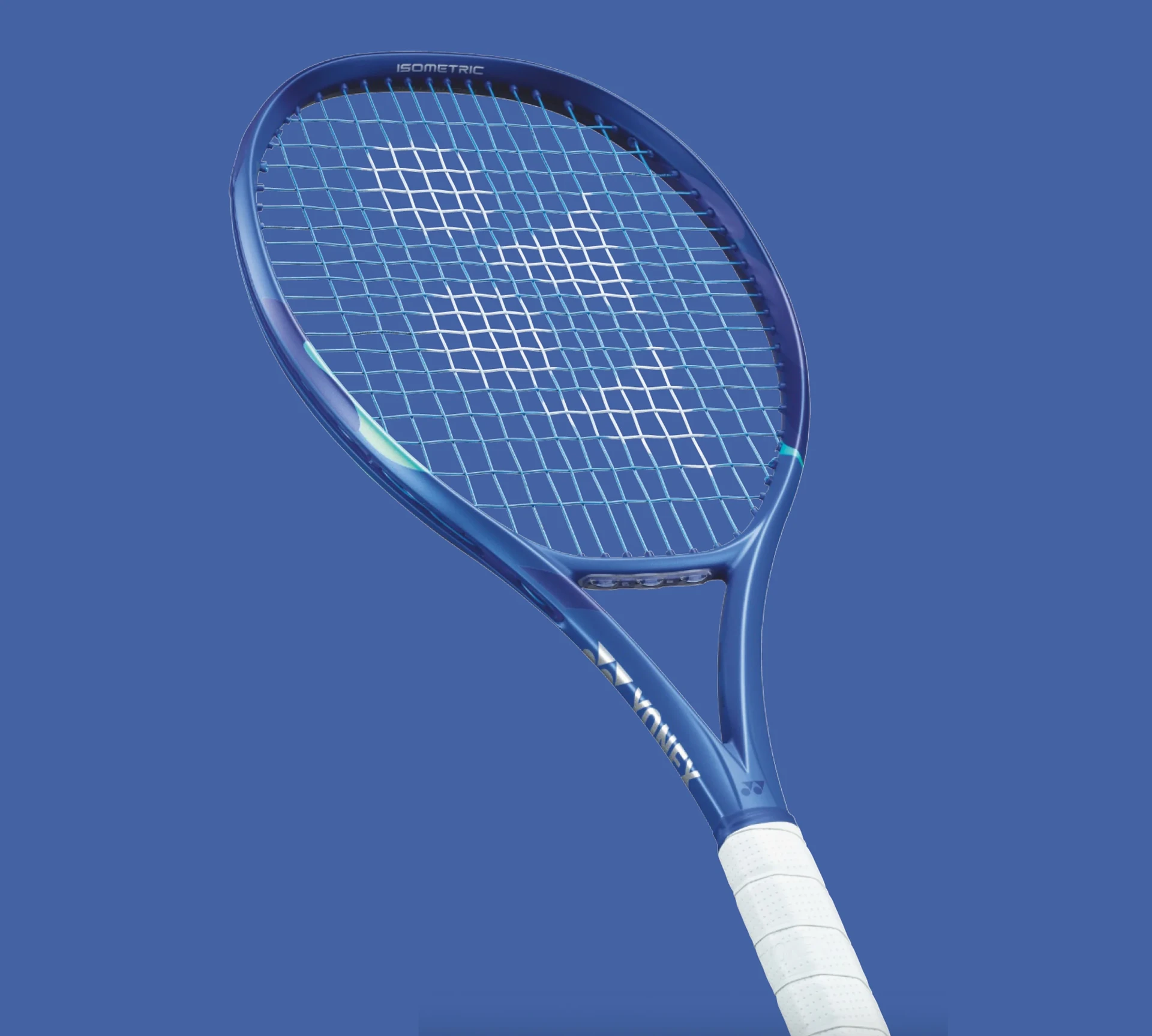
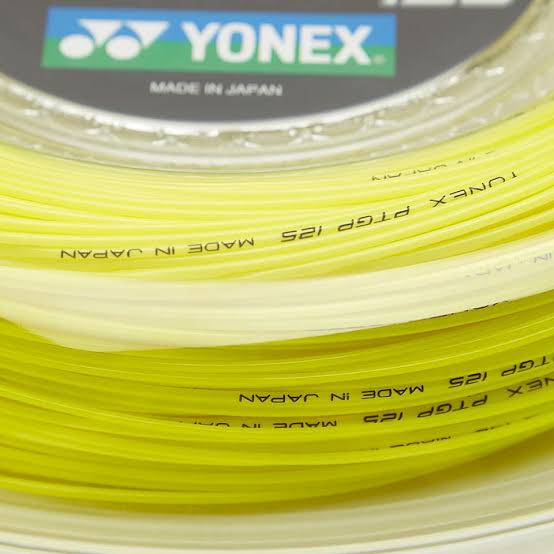
Yonex PolyTour Pro — Power and Precision, With Conditions
Sold as a comfort poly, but it plays firmer than that. Huge power and pinpoint precision for flat, aggressive hitting — less help when you're defending, and it slackens sooner than most polys.
Read full review
PolyTour Pro is one of the strings I get asked about most in the shop, usually because someone has seen it in a pro's frame and wants to know whether it suits them. So I put a set through my own racket properly rather than repeating what's on the packet.
I strung the 1.25 mm in a control frame at a mid-range tension, no dampener trickery, and hit on a hot outdoor court — the conditions most of my players actually compete in here. Worth saying up front: gauge changes the verdict on this string more than usual, and I'll come back to that at the end.
First impressions didn't match the marketing. Yonex lead with comfort; what I felt was a firm, direct stringbed with very little ball pocketing. Not harsh — I had no arm soreness at all after a long session — but 'soft' isn't the word I'd use. It reads more as crisp and honest than plush.
What it does give you is power, and the good kind: the ball leaves faster and lands heavier. In neutral and attacking rallies it makes stepping in feel easy, and flat drives down the line come off with real weight behind them. The trade is that it demands clean contact. Find the middle and you're rewarded; miss it and you feel the drop in pace immediately. That's a fair deal for a decent ball-striker, and a rough one for someone still finding the sweet spot.
Spin is the honest weakness. Snapback is fine and there's enough shape available in a neutral exchange, but when I got pushed behind the baseline and needed a big looping forehand to buy time, it wasn't there. A few of those balls floated and landed mid-court — exactly the ball you don't want to give a good opponent. Slices came through low and biting rather than heavy, which I actually liked on the backhand and drop shot.
Serving with it is a case of technique in, technique out. A well-timed ball fires; a lazy one drifts in gently and invites the return you were dreading. If you have a fluid motion, you'll love the free pace and the serve-plus-one it sets up. Around the net the firm bed transfers energy beautifully on punch volleys and reflex blocks, but delicate touch shots take softer hands than usual — this isn't a feel string.
The one genuine gripe is tension maintenance. It dropped off faster than I'd expect from a poly of this type: noticeable after the first hour and clearly gone by the end of the week's play. That doesn't make it a bad string, it just means you have to plan for it — treat the interval as shorter than your usual poly rather than waiting for something to break.
Who it suits: aggressive intermediate to advanced players who hit flat, take the ball early and want to finish points. Who should look elsewhere: heavy-spin baseliners who live behind the baseline, players who need the string to help them defend, and anyone chasing comfort and feel above all else.
Stringing note, since that's my side of the counter: if you want more bite, drop to the 1.20 mm — the thinner gauge grips noticeably better and it's the version most of the pros using it are on. If you like the power but want it to last, put PolyTour Pro in the crosses and something with more grip or more give in the mains. Bring your frame in and we'll build the setup around your swing rather than a number on the packet.